


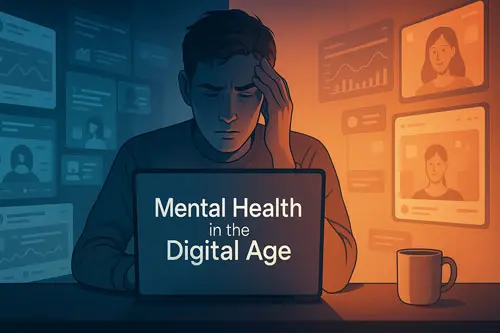
Mental Health in the Digital Age
Technology has transformed how people communicate, work, learn, and socialize. While digital innovation offers countless benefits, it has also introduced new challenges that affect mental health and emotional well-being.
Understanding these impacts is essential for maintaining a healthy balance between online and offline life.
The Benefits of Digital Connectivity
Technology has made information, education, healthcare resources, and social connections more accessible than ever before.
Online communities provide support networks for individuals facing various challenges, helping reduce feelings of isolation.
The Hidden Challenges
Information Overload
Constant exposure to news, notifications, and digital content can contribute to stress and mental fatigue.
Social Media Pressure
Many people compare their lives to carefully curated online images, leading to feelings of inadequacy and low self-esteem.
Cyberbullying
Online harassment can have severe psychological consequences, particularly for young people.
Digital Addiction
Excessive screen time may interfere with sleep, productivity, and personal relationships.
Strategies for Maintaining Mental Wellness
Set Digital Boundaries
Establish specific times for using devices and avoid excessive screen exposure.
Practice Mindful Technology Use
Be intentional about the content you consume and the platforms you engage with.
Prioritize Real-Life Relationships
Face-to-face interactions remain essential for emotional well-being.
Seek Professional Support
Mental health professionals can provide valuable guidance when needed.
The Role of Employers and Schools
Organizations and educational institutions should promote healthy digital habits and provide mental health support services.
Conclusion
Technology is a powerful tool, but balance is key. By developing healthy digital habits, individuals can enjoy the benefits of technology while protecting their mental and emotional well-being.








Leave a Reply