


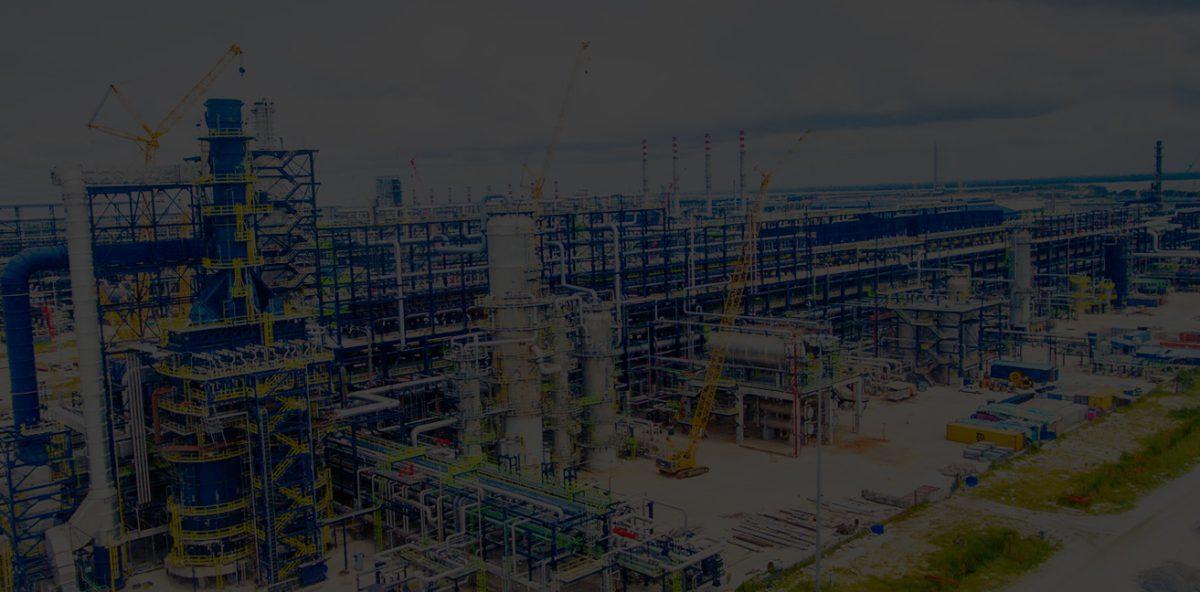
Dangote Refinery: Transforming Nigeria’s Energy Landscape
The commissioning of the Dangote Refinery marks one of the most significant industrial developments in Africa’s history. Located in Lagos, the refinery represents a major step toward energy self-sufficiency for Nigeria and has the potential to reshape the continent’s petroleum industry.
A Historic Investment
Built by the Dangote Group, the refinery is among the largest single-train refineries in the world. The project required billions of dollars in investment and years of planning, construction, and technological innovation.
Its scale reflects Nigeria’s ambition to become a major refining hub rather than relying heavily on imported petroleum products.
Why the Refinery Matters
Reducing Fuel Imports
For decades, Nigeria exported crude oil while importing refined petroleum products. The Dangote Refinery aims to reverse this trend by increasing domestic refining capacity.
Supporting Economic Growth
The refinery is expected to create jobs directly and indirectly across multiple sectors, including logistics, manufacturing, transportation, and retail.
Conserving Foreign Exchange
Reducing dependence on imported fuel can help preserve foreign exchange reserves and improve economic stability.
Strengthening Energy Security
Local refining capacity enhances Nigeria’s ability to meet domestic fuel demand and reduce exposure to international supply disruptions.
Opportunities for Africa
The refinery’s impact extends beyond Nigeria. It has the potential to supply petroleum products to neighboring African countries, reducing regional dependence on imports from outside the continent.
This could contribute to stronger intra-African trade and support the goals of the African Continental Free Trade Area (AfCFTA).
Challenges Ahead
While the refinery offers significant opportunities, challenges remain. These include maintaining operational efficiency, managing distribution networks, ensuring regulatory compliance, and adapting to global energy transitions.
Looking Toward the Future
As the world moves toward renewable energy and cleaner technologies, the refinery’s long-term success will depend on its ability to remain competitive and align with evolving energy demands.
Conclusion
The Dangote Refinery represents more than an industrial project—it symbolizes Nigeria’s potential to transform its natural resources into economic value. If managed effectively, it could become a catalyst for economic growth, job creation, and energy security across Africa.





Leave a Reply