


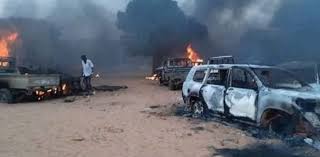
Insecurity in Sub-Saharan Africa: Understanding the Challenge and the Path Forward
Insecurity remains one of the most pressing challenges facing Sub-Saharan Africa today. From terrorism and armed conflicts to banditry, cybercrime, and communal violence, security concerns continue to affect economic growth, political stability, and human development across the region.
The Scope of the Problem
Several countries in Sub-Saharan Africa face security threats that disrupt livelihoods and strain public resources. Communities often experience displacement, loss of income, destruction of infrastructure, and limited access to education and healthcare.
The impact extends beyond national borders, affecting trade, investment, and regional cooperation.
Key Drivers of Insecurity
Poverty and Unemployment
High unemployment rates, particularly among young people, create conditions that criminal groups and extremist organizations can exploit.
Weak Governance
Corruption, weak institutions, and inadequate public services often undermine citizens’ trust in government and contribute to instability.
Political Conflicts
Electoral disputes, ethnic tensions, and power struggles frequently trigger violence in vulnerable regions.
Climate Change
Environmental pressures such as drought, desertification, and resource scarcity increase competition over land and water, leading to conflicts among communities.
Transnational Crime
Human trafficking, arms smuggling, and organized criminal networks continue to fuel instability across borders.
Economic Consequences
Insecurity discourages foreign investment, disrupts supply chains, damages infrastructure, and increases government spending on security operations. The result is slower economic growth and reduced opportunities for development.
Solutions for a More Secure Future
Strengthening Institutions
Transparent governance and effective law enforcement are essential for maintaining peace and public trust.
Investing in Youth
Job creation, entrepreneurship programs, and skills development can provide alternatives to criminal and extremist activities.
Regional Cooperation
African nations must continue collaborating through intelligence sharing, joint security operations, and diplomatic initiatives.
Community Engagement
Local communities play a critical role in identifying threats and promoting peacebuilding efforts.
Technology and Innovation
Digital surveillance systems, data analytics, and cybersecurity initiatives can improve security responses and crime prevention.
Conclusion
Addressing insecurity in Sub-Saharan Africa requires a comprehensive approach that combines economic development, effective governance, regional cooperation, and community participation. While challenges remain significant, coordinated efforts can create a safer and more prosperous future for the region.


Leave a Reply